


A brief overview of what is currently trending on X in news, culture, and/or trending hashtags and formats.
Venezuela: Tensions between the U.S. and Venezuela are rising as Trump ordered a naval blockade to stop sanctioned oil tankers from entering and leaving the country.
#NicolandriaxGlamour: Love Island USA’s Nic Vansteenberghe and Olandria Carthen have landed Glamour’s holiday cover.
#Survivor49: [Spoiler Alert] was named the winner of Survivor Season 49 in Wednesday’s season finale.

A deeper dive into a subject that is impacting culture on a macro level, beyond just the social space.
The Top Social Moments of 2025 (And What They Mean)
Another year, another year-end list! To wrap up 2025, the CTF editors and writers have compiled our top social moments of the year — not just fleeting trends, but collective ones that together defined the year on social — and what they mean for brands going into 2026.
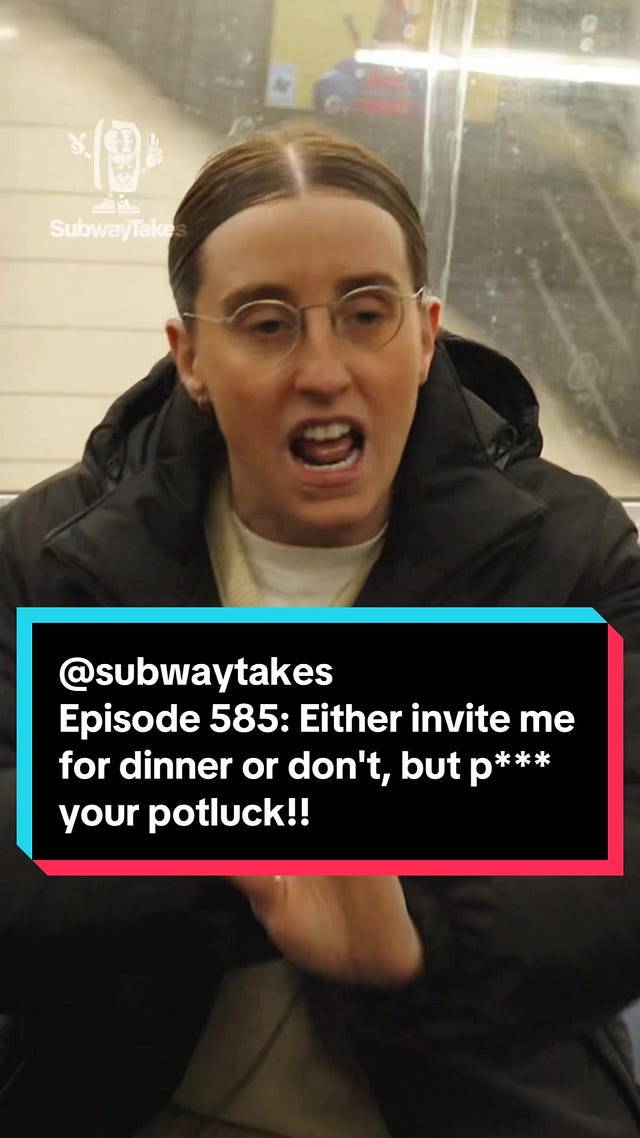
Social Talk Shows Blew Up
 Tiktok failed to load.
Enable 3rd party cookies or use another browser
Episodic social content reshaped celebrity press tours and branded content in 2025. From Kim Kardashian to Kamala Harris, high-profile figures chose series such as Call Her Daddy, Chicken Shop Date, and Subway Takes —which prioritize familiar hosts, narrative continuity, and repeat viewership—over traditional press formats. Brands have also adopted this model with owned episodic series that blend the loyalty-building mechanics of TV with the authenticity and tone of creator-led content. While audiences are increasingly ad avoidant, they remain drawn to storytelling, and episodic formats that deliver narrative without feeling like advertising. Platforms further reinforce this shift by favoring repeatable content that drives retention and keeps users on the platform. In 2026, brands should look beyond standalone posts and focus on cohesive storytelling, whether through recurring narratives or consistent visual worlds, that create these stronger associations even when users only encounter one or two pieces of content.
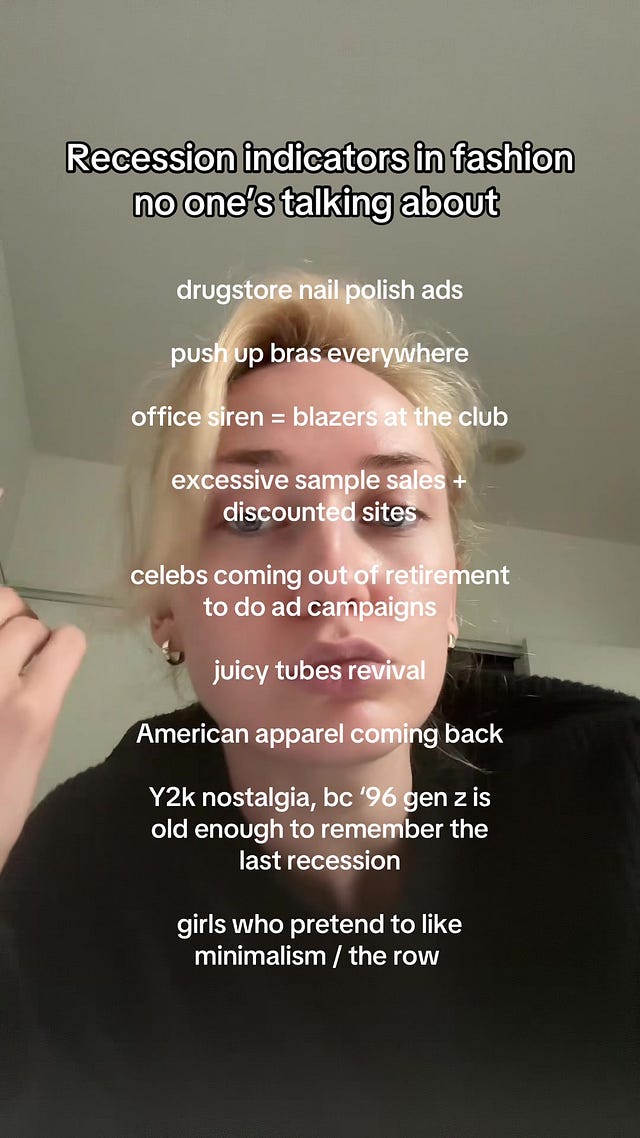
Recession Indicators Were Everywhere
 Tiktok failed to load.
Enable 3rd party cookies or use another browser
From the return of pop stars like Kesha and Lady Gaga, to millennial nostalgia for simpler times from the early 2000s and 2010s, recession indicators were abundant in 2025. The term “recession indicator” became a running joke across social media platforms this year across a variety of content formats. You heard it come up when dated trends made a resurgence (because nostalgia is comforting), or when DIY/ low-maintenance beauty and lifestyle hacks became rampant (because of economic uncertainty), or when consumers began investing in quiet luxuries like Labubus and lipsticks (easier to attain than big splurges). Underneath the humor, it’s clear that consumers are feeling the weight of economic uncertainty and anxiety, turning economic realities into social trends that can be applied to their real lives — and it’s likely this trend continues into 2026.
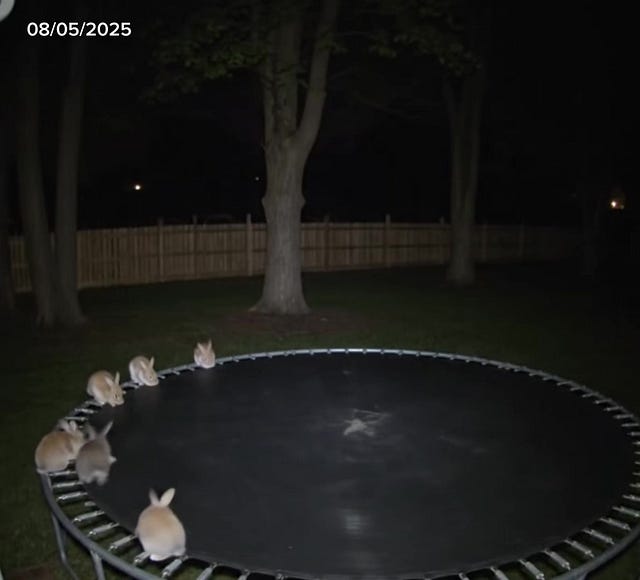
AI Content Hit The Mainstream
 Tiktok failed to load.
Enable 3rd party cookies or use another browser
Advancements to AI models like OpenAI’s Sora 2 brought AI into the social media mainstream, causing many people to question reality on a daily basis. From jumping bunnies on a trampoline, to an emotional support kangaroo that was seemingly denied flight access, AI-generated videos and images are now becoming more physically accurate and realistic, and many users are losing trust in what they see. Brands like McDonald’s tested AI-generated advertisements and saw significant backlash from consumers who believe brands shouldn’t be taking shortcuts with AI, and that fundamentally, AI should not replace strategy, emotional connection, and creativity. While AI can be a valuable tool for driving efficiency, AI-generated content still needs to strike an emotional chord and resonate with consumers’ personal experiences. As this technology continues to evolve, striking a balance between human insight and AI-driven efficiency will be essential. IRL activations may be even more valuable for brands in the new year as audiences crave authentic connections and experiences to break free from AI on their feeds.
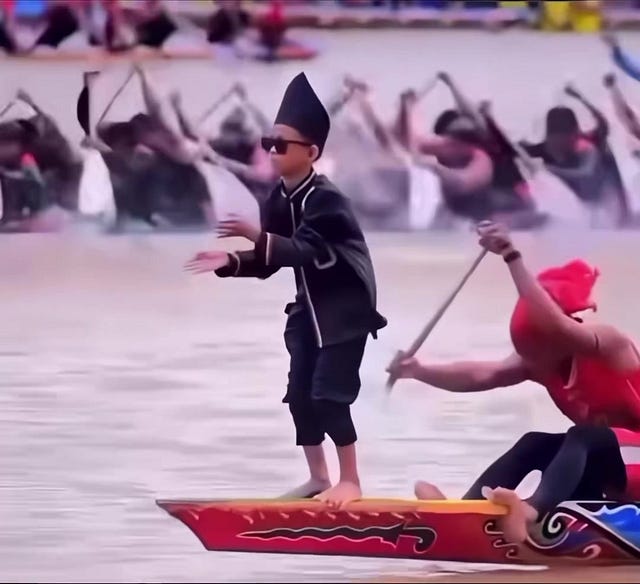
Aura Farming Became Aura Maxing
 Tiktok failed to load.
Enable 3rd party cookies or use another browser
“Aura farming” was one of Gen Z and Gen Alpha’s buzzwords of the year, and its popularity skyrocketed thanks to a video of an 11-year old boy’s energetic dance moves during the Pacu Jalur boat races in Indonesia. Aura farming essentially means doing things that enhance your magnetism, presence, and overall “aura.” In true fashion, the younger generations ran with this and started “Aura maxxing,” sharing tips and tricks for achieving maximum aura points by doing cool things, practicing mindfulness, and focusing on self-improvement. As the younger generations grow, especially Gen Z who is getting closer to their 30s, they’re setting standards for how they live as adults, and affirming curated and optimized identities for a greater sense of belonging in their communities. Going into 2026, it brands should be mindful of this shift as Gen Z continues to define what makes them unique and what qualities they value and want to portray to others vs. previous generations.